10 attic storage tips (and what should never go up there)
An attic is the hottest, least-visited room in the house. Store only what can take 140°F, and keep a record good enough that you never have to climb up and check.
Attics are big and empty, and nobody checks on what's up there. By the time you notice the photo albums have curled, the candles have melted together and mice have been through the Halloween costumes, three summers have gone by. Store only what the heat and the framing can handle, and keep a record good enough that you don't need the ladder to answer a question.
Find out what the framing can carry before you store anything
Attic joists and truss chords were sized to hold up the ceiling below, not a library. Whether yours can take storage depends on lumber size, span, spacing, and whether the attic was designed for “limited storage” at all. Trusses are engineered as a system and shouldn't be cut, notched or overloaded. If you don't know, have a contractor or structural engineer look first. Where storage is allowed, keep it light, spread it across several joists, and keep it near load-bearing walls.
Deck on risers so the insulation keeps working
Plywood laid on the joists compresses the insulation under it, and compressed insulation loses much of its value. The Department of Energy's Building America guidance is to raise storage platforms above the insulation. Utility weatherization sheets describe the usual method: 2×4 or 2×6 risers on edge across the joists, decking on top. A small platform near the hatch is usually enough. Leave the rest of the insulation and the soffit vents alone.
Respect the temperature: 130°F is normal, 160°F is possible
A Louisiana state education page on attic ventilation puts a properly vented attic around 105°F on a 95°F day, and a poorly vented one at up to 160°F. A Larimer County, Colorado, building handout gives summer attic temperatures of 125 to 150°F. Anything you store up there has to sit at those temperatures for weeks, then below freezing in winter.
What never goes in the attic
- Photos, film, negatives and paper. The Library of Congress recommends 30 to 50 percent relative humidity and 70°F or below for photographs, and names attics and basements as places to avoid.
- Candles, wax and chocolate. They soften and slump well below 160°F.
- Electronics and batteries, especially lithium packs. Heat permanently degrades cells. Manufacturers' storage ranges top out around 113°F.
- Wine, canned food and aerosols. Heat spoils the first two, and aerosol labels warn against it.
- Vinyl records, cassettes, and anything glued or laminated. They warp or delaminate.
- Wool, silk, leather and down. Heat and pests both damage them. See the closet guide on textiles.
- Anything irreplaceable. Keep it in the house.
What does belong up there
Durable, bulky things you use occasionally: the artificial tree and plastic ornaments, outdoor decorations, luggage, tents, chairs and tarps (never fuel), coolers, plastic or metal sports gear, and folding tables. Store all of it in sealed totes. For holiday decorations, our Christmas decoration storage post has the full triage table.
Sealed plastic totes, never cardboard
Attic cardboard soaks up moisture, dries out weak, and attracts silverfish and nesting mice. Use rigid plastic totes with latching or gasketed lids, a few inches apart for airflow. One size throughout lets you stack two high safely. If you risk fabric or paper, add a desiccant pack and replace it yearly.
Build a platform by the hatch and keep the far corners empty
You can reach about six feet around the hatch without crawling. Deck that area and keep the most-used totes (holiday, luggage) there. Stay out of the eaves, where things get forgotten and stored boxes block ventilation. If you can stand up in the attic, run a plank walkway down the center and store along it.
Mouse-proof the contents, then the attic
Mice come for nesting material and food, so keep fabric, paper and anything edible (birdseed, pet food, candles) out and seal the rest. Then check with a flashlight for gaps where pipes, wires and vents come through, and fill them with steel wool and caulk or expanding foam. Check the hatch seal too. Look for droppings when the holiday totes go up and come down.
Light it, path it, and never go up alone in July
Bring a headlamp, put a plug-in or battery light near the hatch, and use knee pads and a plank to kneel on. Step only on joists or decking, never on the drywall between them. Avoid summer afternoons: at 130°F or more, heat exhaustion comes on fast. If you have to go up in summer, go early in the morning, tell someone, and keep it short.
Label the end that faces the hatch and keep an inventory you can search
Label each tote on the hatch-facing end with a code you can read by flashlight. Keep a list, or a photo of each open tote, with its contents and zone. Then you can answer “is the old crib up there?” without the ladder.
How StorageBuddy helps with your attic
- Check from the hallway. Every tote has a photo and a searchable item list.
- Zones that mean something. Locations like
Hatch platformandWalkway lefttell you how far the crawl is. - Seasonal pick lists. Tag the holiday totes and bring down the right ones in one trip.
- A record that survives the move. When a tote goes from the attic to the basement, re-home it in two taps. The label and code stay the same, and the move is dated.
Free to start: your first 10 containers per space with unlimited items, QR labels, sharing, offline capture and full export. Plus and Lifetime lift the container cap. Nothing you catalog ever expires.
Before anything goes up the ladder
Print it, stick it on the bin, tick it off. One page.
- Have the framing checked; never cut or overload trusses
- Deck on 2×4 or 2×6 risers above the insulation
- Keep the soffit vents clear
- Store only heat-tolerant items
- Keep photos, paper, candles, electronics, batteries, aerosols and natural fibres out
- Use one size of rigid sealed tote, stacked no more than two high
- Put frequently used totes on the hatch platform
- Seal gaps around pipes, wires and vents
- Check for droppings twice a year
- Skip summer-afternoon trips
- Put a code on the hatch-facing end of every tote
- Photograph every open tote and record its zone
From “10 attic storage tips (and what should never go up there)” · https://storagebuddy-ai.com/blog/attic-storage-tips · StorageBuddy AI
Questions people ask
How hot does an attic get in summer?
Commonly 125 to 150°F on a hot day, and up to 160°F if poorly vented. A well-vented attic might stay near 105°F on a 95°F day. Plan for the high end.
What should you never store in an attic?
Photos, paper and film, candles, electronics and batteries, wine, canned food, aerosols, vinyl, anything glued or laminated, wool, silk, leather, down, and anything irreplaceable.
Can you store clothes in the attic?
Everyday cotton and synthetics can survive in sealed totes with a desiccant, but wash them before wearing. Keep wool, silk, leather, down and anything sentimental out.
Can attic joists hold storage? Can I put plywood over the insulation?
It depends on the framing, the span and whether the attic was designed for storage, so have it checked if you don't know. Where storage is allowed, deck on risers above the insulation and keep the load light and near bearing walls.
Is it safe to store things in the attic?
Yes, if the structure can take it, everything up there is heat-tolerant and sealed, and there's a lit path from the hatch. Stay out on hot afternoons.
Sources & further reading
- Louisiana Department of Energy and Natural Resources, attic ventilation teaching note: ~105°F vented vs up to 160°F unvented.
- Larimer County (CO) Building Division, Attic temperatures and ventilation: summer attic temperatures of 125 to 150°F.
- U.S. DOE Building America Solution Center, Insulation below attic platforms: raise platforms rather than compress insulation.
- East Kentucky Power Cooperative, Attic decking weatherization sheet: risers on edge across joists.
- Library of Congress, Care, handling and storage of photographs: 30 to 50% RH, 70°F or below, avoid attics and basements.
- Apple, Device operating and storage temperatures: storage up to 113°F.
- Bob Vila, Attic storage: decking thickness and keeping storage light.
Keep reading
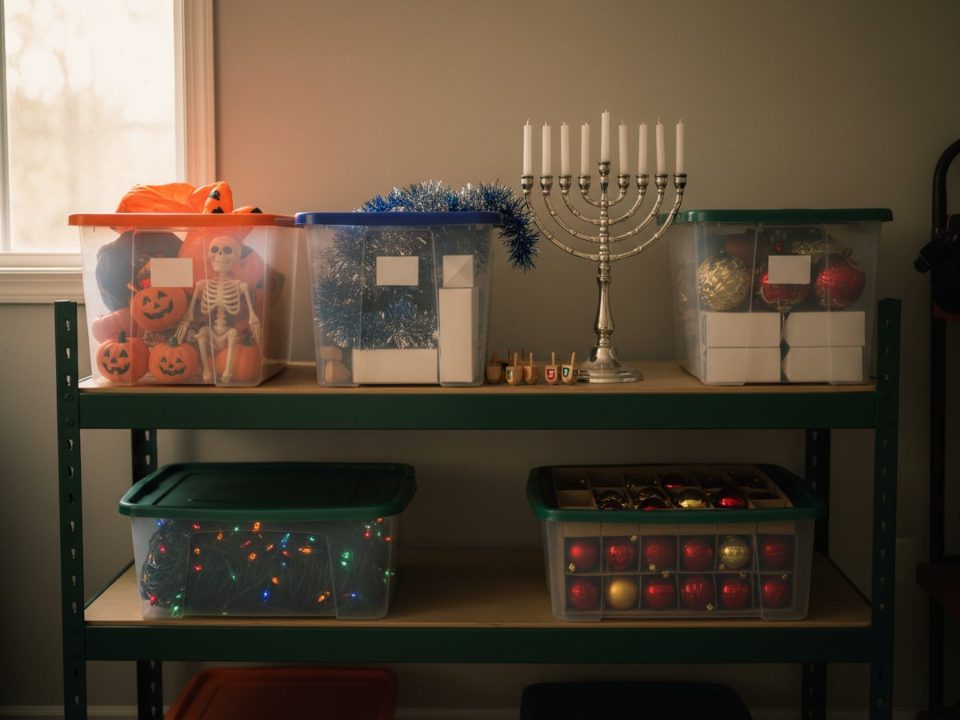
Holiday decoration storage: 10 tips for Halloween, Hanukkah, Christmas and more
October to January is one long storage season. Give each holiday its own tote and lid colour, pack powered props and inflatables the way their makers say, keep wax and latex out of the heat, and photograph each tote before it closes.
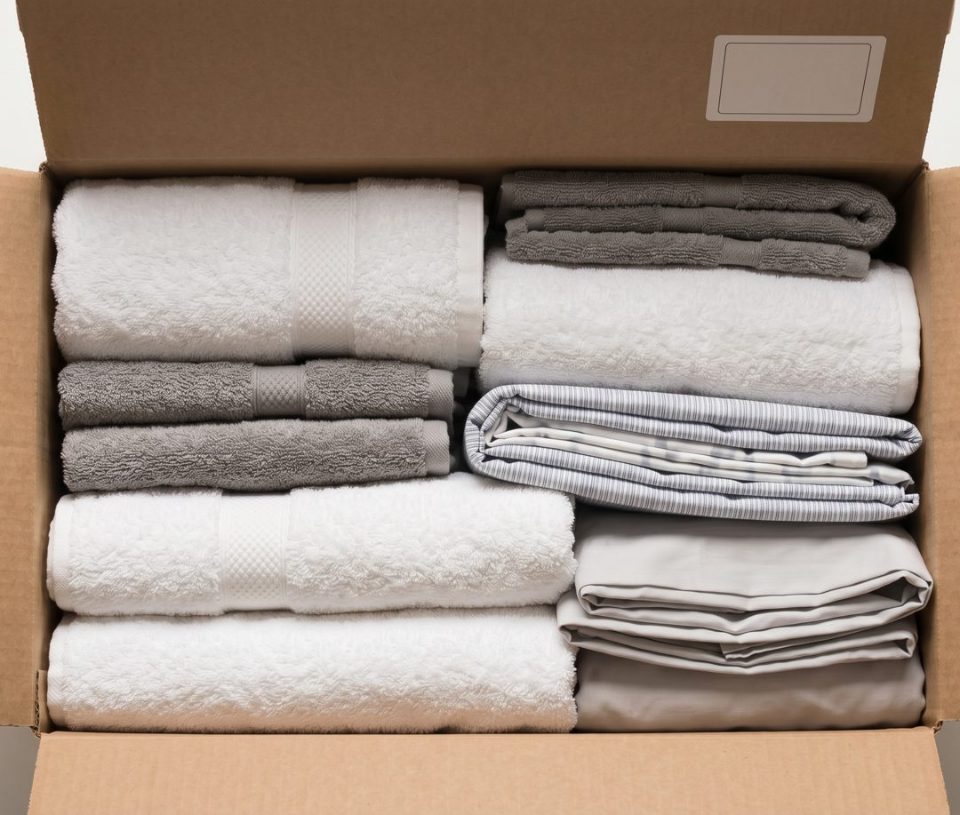
10 closet organization tips, including what to do with the off-season half
Half of what's in a closet is waiting for the weather to change. Organize the half you wear by reach, store the rest clean and sealed, and keep track of which bin the parka went into.
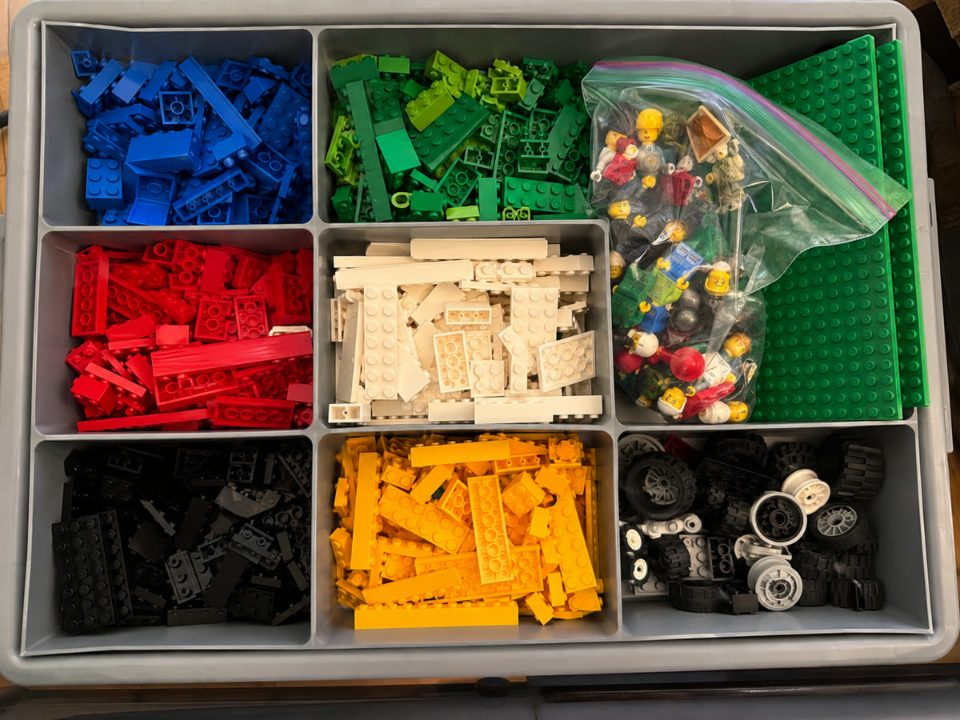
10 toy storage ideas that survive a birthday party
Put fewer toys out, rotate the rest from labelled totes, give each category one home a child can reach, and keep small parts away from the toddler.